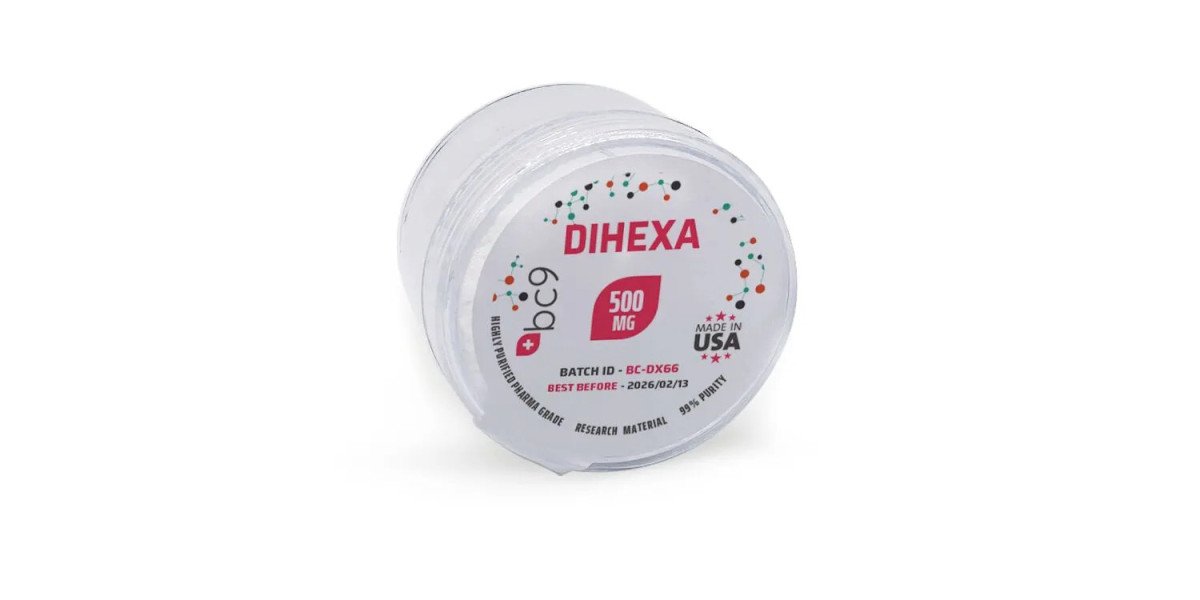

Introduction to Dihexa as a Research Peptide
Dihexa, also known scientifically as N-hexanoic-tyrosine-Ile-6 aminohexanoic amide, is a laboratory research compound derived from angiotensin IV (AngIV). Within controlled research environments, it has gained attention for its potential to influence synaptic structure, neuroplasticity mechanisms, and cognitive pathways. Interest in dihexa for research continues to grow, particularly in studies focused on synaptic remodeling and molecular signaling related to learning and memory.
What Makes Dihexa Unique as a Research Molecule?
Dihexa is engineered to exhibit far greater metabolic stability and potency than its parent compounds in the AngIV family. In research settings, Dihexa’s unique peptide modifications may allow it to persist longer in experimental models and interact with neural targets more effectively.
Key areas that make Dihexa distinct for laboratory analysis include:
- Enhanced Binding Affinity: Dihexa has been studied for its unusually high affinity for hepatocyte growth factor (HGF) and the HGF/c-Met receptor pair.
- Potential Neurotrophic-Like Activity: Research suggests Dihexa may influence pathways associated with cell growth, neuronal branching, and synaptic connectivity.
- Blood-Brain Barrier Access: Early research indicates Dihexa may retain the ability to cross the BBB, allowing investigation into central nervous system pathways.
Researchers value Dihexa due to these unique characteristics, making it an important peptide for advanced neurobiological studies.
Dihexa Mechanism of Action: An In-Depth Research Overview
Dihexa’s proposed mechanism of action centers around its interaction with the HGF/c-Met signaling pathway, which plays a crucial role in neuronal growth, synaptic development, and tissue repair processes.
1. Interaction With HGF (Hepatocyte Growth Factor)
Preclinical research indicates that Dihexa may act as a small-molecule HGF mimetic, meaning it may bind to or influence the same pathways stimulated by HGF.
HGF is associated with:
- Neural differentiation
- Synaptogenesis
- Cognitive pathway signaling
- Axonal outgrowth and protection
Dihexa’s structural design aims to enhance these interactions, potentially influencing downstream effects relevant to learning and memory pathways.
2. Activation of the c-Met Receptor
The c-Met receptor is a tyrosine kinase receptor linked to neuronal development. When activated by HGF or HGF-mimetics in research environments, c-Met may trigger cascades such as:
- PI3K/Akt pathway
- MAPK/ERK pathway
- Rac1/Cdc42 signaling (linked to dendritic spine formation)
These cascades are crucial in the formation, maintenance, and remodeling of synapses.
3. Influence on Synaptic Density
Studies suggest Dihexa may play a role in increasing synaptic density in laboratory models. This includes effects on the:
- Formation of new dendritic spines
- Stabilization of existing synapses
- Enhancement of synaptic transmission strength
Such changes are central to neuroplasticity research.
Dihexa and Neuroplasticity: What Research Models Suggest
Synaptic plasticity—the ability of synapses to strengthen or weaken over time—is essential in the study of memory formation and learning. Dihexa’s potential influence on neurotrophic pathways makes it a valuable subject for investigations focused on:
- Long-term potentiation (LTP)
- Structural synaptic changes
- Neurite outgrowth
- Synaptic resilience under stress conditions
These areas contribute to a broader understanding of how neural networks adapt and evolve.
Pharmacokinetic Considerations in Research
Dihexa’s modified peptide structure allows researchers to explore its:
- Stability against enzymatic breakdown
- Transport dynamics across biological membranes
- Duration of action in tissue samples or models
- Affinity for central nervous system receptors
Understanding these parameters helps researchers build detailed pharmacokinetic profiles.
Why Dihexa for Research Remains a Growing Field
The interest in dihexa for research stems from its promising interaction with pathways central to cognitive function and synaptic architecture. As research continues, several key fronts drive ongoing scientific exploration:
- Investigation of novel neurotrophic mechanisms
- Exploration of synaptic repair and regeneration
- Development of targeted molecular tools for neural studies
- Understanding HGF/c-Met interactions in CNS tissue
Dihexa’s distinctive profile positions it as a useful compound for examining potential neuroprotective and neurorestorative processes in controlled laboratory settings.
Ethical and Safety Considerations
Dihexa is classified strictly as a research compound, not approved for human or clinical use.
It is not intended for consumption, self-administration, or therapeutic application.
All research involving Dihexa should comply with institutional, regional, and international guidelines for handling experimental peptides.
Conclusion
Dihexa represents a promising subject in peptide research due to its potential influence on synaptic development, HGF/c-Met signaling, and neuroplasticity pathways. Its highly specific design, enhanced potency, and intriguing molecular interactions make dihexa for research a focal point for scientists pursuing advanced studies in neural growth, synapse formation, and cognitive biochemical mechanisms.
With strong interest in its mechanism of action and its role in supporting synaptic growth in research models, Dihexa continues to shape new directions in neurobiological and peptide-focused investigations.